
On this page
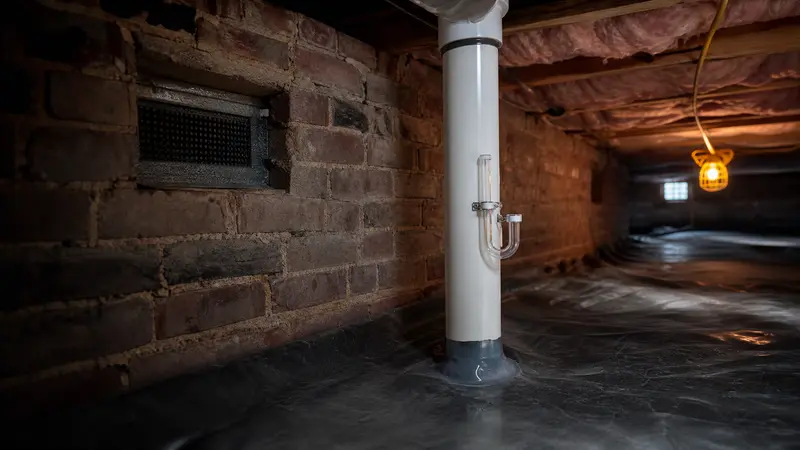
Open crawl space vents can lower radon somewhat by diluting it with outside air, but the effect changes with the weather and is not reliable. Open vents also let in humid summer air and freezing winter air, which can cause moisture problems and frozen pipes. Sealing a crawl space against radon, with a membrane and active suction, is the more dependable fix.
How vents affect radon
Radon seeps from the soil into the crawl space air. From there it moves up into the house through gaps in the floor, around pipes and through ductwork. Open vents let outside air flow through the crawl space, mixing with the radon and carrying some of it away.
The EPA's Consumer's Guide to Radon Reduction lists natural crawl space ventilation as a way to reduce radon in some homes. It also notes the limits: results vary and there can be an energy cost.
Why vents are not a dependable fix
Results swing with the weather
Vents only work when air is moving. On calm days, little air passes through. In winter, many homeowners close vents to protect pipes, right when the stack effect is pulling the most soil gas into the house.
Moisture in summer
York summers are humid. When warm, wet outside air enters a cooler crawl space, moisture can condense on pipes, ducts, framing and the soil. That can lead to mold, musty smells and wood rot. This is why many building pros now favor sealed crawl spaces in humid climates.
Frozen pipes in winter
Open vents in January let freezing air reach water lines. A burst pipe in a crawl space is a costly repair.
Energy loss
Cold air under the floor makes the rooms above harder to heat. That adds to energy bills, especially in older homes with little floor insulation.
Open vs. closed: the trade-offs
| Vents | Radon | Moisture | Pipes | Energy |
|---|---|---|---|---|
| Open | May drop some, varies | Worse in summer | Freeze risk in winter | Higher heating cost |
| Closed, no radon system | May rise | Better if sealed and dehumidified | Protected | Lower cost |
| Closed, with sealed membrane and suction | Reliably low | Better | Protected | Lower cost |
Should you close your vents?
If you close vents without treating radon, levels may go up, because there is less outside air to dilute the gas. So the order matters:
- Test first. Know your radon level before you change the vents.
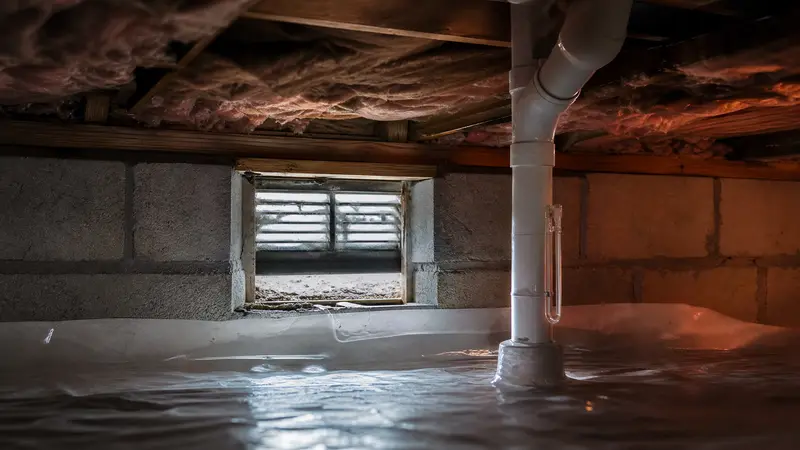
- If radon is high, install sub-membrane depressurization. A sealed liner with a fan under it pulls radon from the soil, so the vents no longer matter for radon.
- Then seal vents and control moisture. With radon handled, you can close the crawl space and add a dehumidifier. Our guide to crawl space dehumidifiers and radon explains how the two work together.
- Retest after any change. Closing vents, adding insulation or encapsulating can all change your radon level.
What about a vent fan?
Some systems use a fan to blow outside air into the crawl space or pull crawl space air out. This is called crawl space ventilation or crawl space depressurization. Pulling air out of the crawl space can lower radon, but it can also pull conditioned air from the house and, in some cases, affect how gas appliances vent. It also does nothing for moisture. Sub-membrane suction is generally the preferred approach.
York crawl spaces
York has hot, humid summers and freezing winters, which is the worst combination for open vents. York County is also in EPA Radon Zone 1. A crawl space home here should be tested, and if the result is high, treated with a method that works year-round. In Pennsylvania, radon systems must be installed by a PA DEP certified mitigator.
Key takeaways
- Open vents can dilute radon a little, but results depend on the weather.
- Open vents bring summer moisture and winter freeze risk.
- Closing vents without a radon system may raise radon levels.
- A sealed membrane with suction works no matter what the vents do.
Frequently Asked Questions
Will closing my vents raise my radon?
It can. Test after closing them, or install a radon system first.
Should vents be open in winter for radon?
Not as a radon strategy. Freeze risk and energy loss outweigh the small, unreliable benefit.
Can I seal my vents after a radon system goes in?
Yes. With suction under a sealed membrane, vent position does not control radon. Retest after the change.
Get a crawl space plan that works all year
Not sure what to do with your vents? See our crawl space radon mitigation in York, or call (717) 356-3035 any time for a same-day callback and a free written quote.