On this page
A radon test is the only way to know how much radon is in your home. We provide radon testing in York, PA with a professional continuous radon monitor, a minimum 48-hour test and a written report you can use for a home sale or a mitigation decision. Call (717) 356-3035 any time for a same-day callback.
Radon is a colorless, odorless radioactive gas. It forms as uranium breaks down in soil and rock, and it seeps into houses through the foundation. You cannot see it, smell it or feel it, and there are no immediate symptoms. The EPA estimates radon causes about 21,000 lung cancer deaths a year in the U.S. and calls it the leading cause of lung cancer among non-smokers.
If your test comes back high, we can handle the fix too. Our York radon mitigation team installs systems with a written clearance guarantee, so you are not left looking for a second company.
What's included in a professional radon test
Every test we run follows the same core steps, so the number on your report means something.
- A certified tester. Pennsylvania law requires anyone who tests for radon in someone else's home to be certified by the PA Department of Environmental Protection (DEP). That rule comes from the Radon Certification Act and 25 Pa. Code Chapter 240. Our tester's certification number is on every written quote.
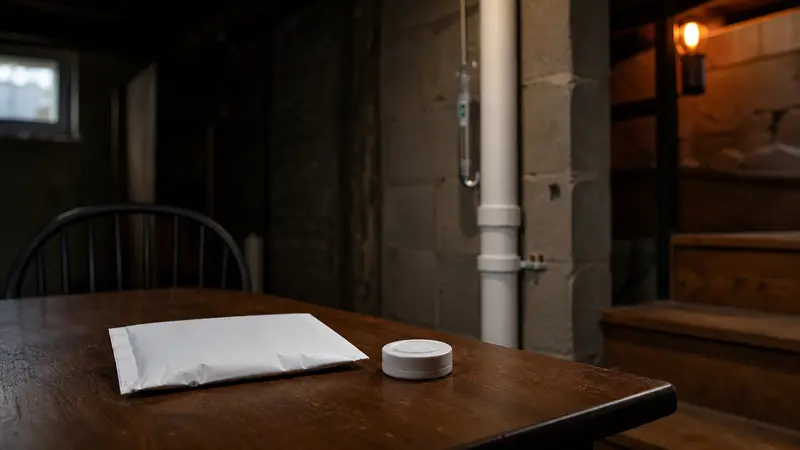
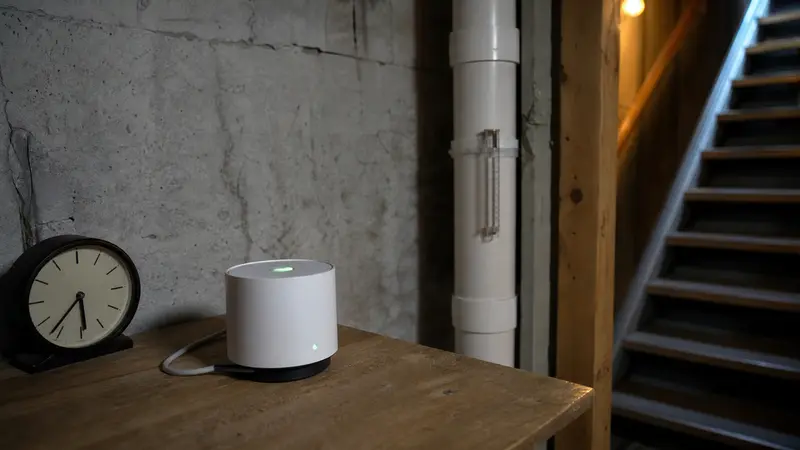
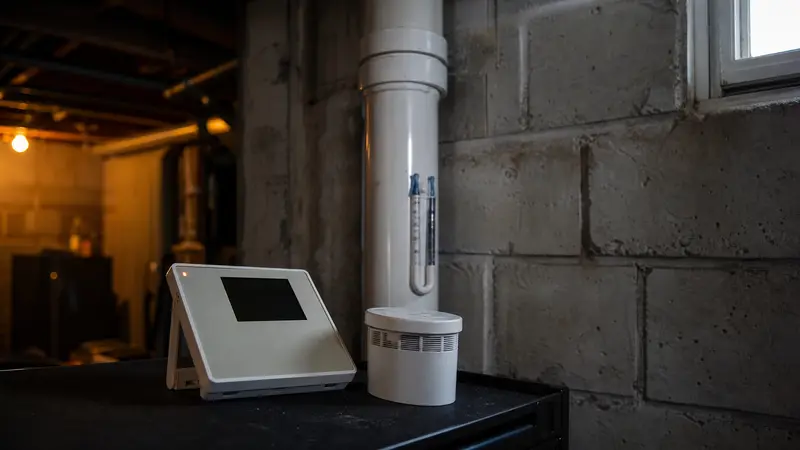
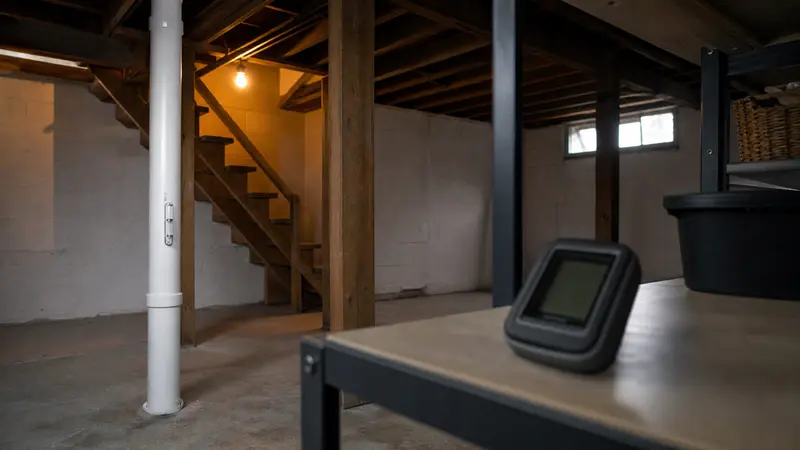
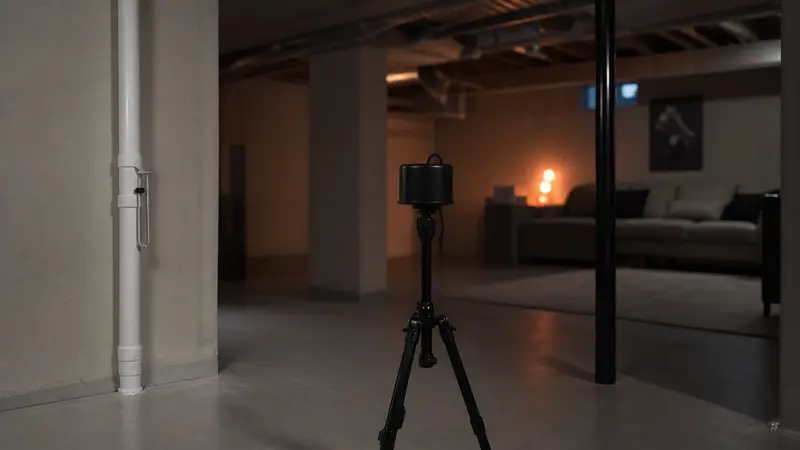
- A calibrated continuous radon monitor. The monitor records radon levels every hour, not just one average at the end.
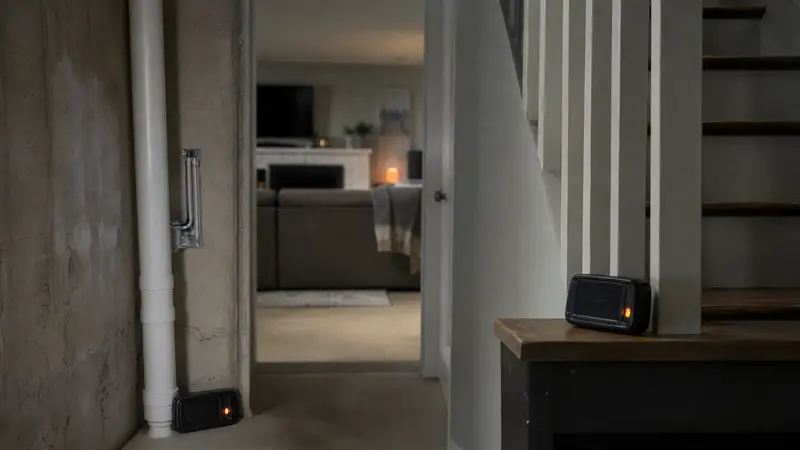
- Correct placement. The device goes in the lowest lived-in level of the home, set up to EPA and industry placement rules.
- Closed-house setup instructions. You get a short written list of what to do before and during the test.
- Tamper detection. Professional monitors log movement and conditions, which matters when a buyer and seller both rely on the number.
- A written report. You get the average result in pCi/L, the hour-by-hour data and a plain-English explanation of what to do next.
When you need a radon test
Every home in York should be tested at least once. Beyond that, a few situations call for testing right away.
You are buying or selling a home
Pennsylvania purchase agreements commonly include a radon inspection option. A certified test with hourly data gives the buyer and seller one number both sides can trust. If the result is high, we can schedule radon mitigation before closing so the deal stays on track.
You have never tested
The EPA and PA DEP both recommend testing every home. Neighbors' results do not predict yours, because two houses on the same street can test very differently.
You finished a basement or changed the house
Turning a basement into living space puts people closer to the source. New HVAC, new windows, an addition or major foundation work can also change how air and radon move through the house.
You already have a mitigation system
The EPA recommends retesting a mitigated home every two years and after major renovations. If your fan is noisy, your manometer reads zero or you just bought a home with an existing system, test it.
Our radon testing process
- Call. Reach us at (717) 356-3035, day or night. We confirm the address, the purpose (home sale or your own peace of mind) and any deadline.
- Prep instructions. We send the closed-house conditions for a radon test so windows and doors stay shut starting 12 hours before setup.
- Monitor setup. Our certified tester places the continuous monitor in the right spot and records the start time and conditions.
- 48 hours or more of testing. The monitor runs at least 48 hours and logs readings every hour.
- Pickup and report. We retrieve the monitor, review the data for signs of tampering or open windows, and send your written report.
- Next steps. If the average is 4.0 pCi/L or higher, we explain your options and can give you a free written mitigation quote.
Radon test types compared
There are several valid ways to measure radon. The right one depends on your deadline and what you need the number for.
| Test type | How long it runs | What you get | Best for |
|---|---|---|---|
| Professional continuous monitor | 48 hours minimum | Hourly data, tamper log, certified report | Home sales, fast decisions |
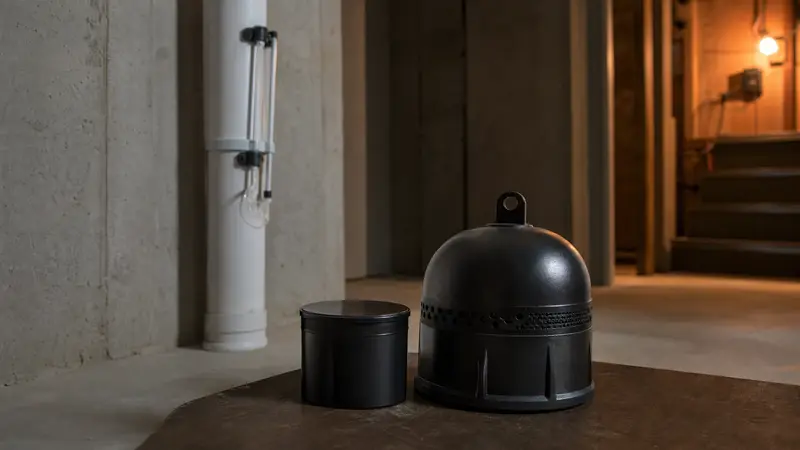
| Short-term home kit (charcoal) | 2 to 7 days typical, mailed to a lab | One average number | A first screening on your own |
| Long-term kit (alpha track) | More than 90 days | The truest year-round average | Owners who want the full picture |
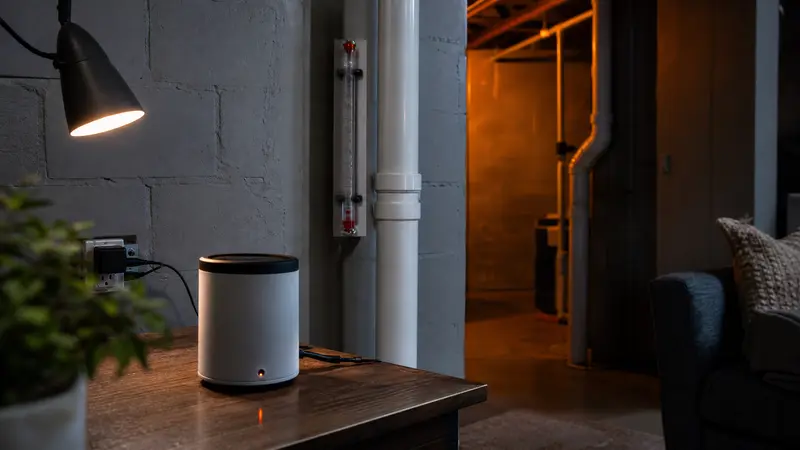
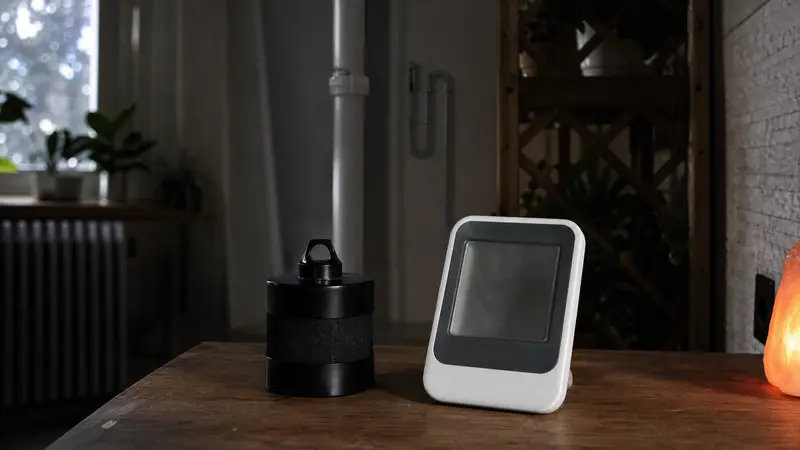
| Consumer digital monitor | Ongoing | Running averages and trends | Watching trends between tests |
A short-term test is a snapshot. A long-term test is closer to your real annual exposure. Radon levels rise and fall with weather, wind and season, which is also why two radon tests give different results even in the same house.
If you plan to test on your own first, you may qualify for free and low-cost radon test kits in Pennsylvania. A DIY kit is a fine start. If it reads high, follow up with a second test before you spend money on a system.
What affects the price of a radon test
Our price for a professional radon test is $150 to $250. A few things shape the final number:
- Test method. A continuous monitor with a certified report costs more than a store-bought kit.
- Timing. A home sale with a tight inspection window may need a specific setup date.
- Number of tests. Large homes with separate foundations, such as a basement plus a slab addition, may need more than one device.
- Follow-up testing. A retest after a high result or after a system install adds a second visit.
National cost guides such as Angi cite roughly $150 to $700 for professional radon testing, while store kits often run $10 to $40. A professional test in York is often the cheaper part of the job. If you end up needing a system, see our breakdown of radon mitigation cost in York for what drives that price.
Radon testing in York: why it matters here
York County sits in EPA Radon Zone 1, the highest potential category. PA DEP reports that about 40% of homes tested statewide come back above the EPA action level of 4.0 pCi/L. You can see what local test data shows on our page about York County radon levels.
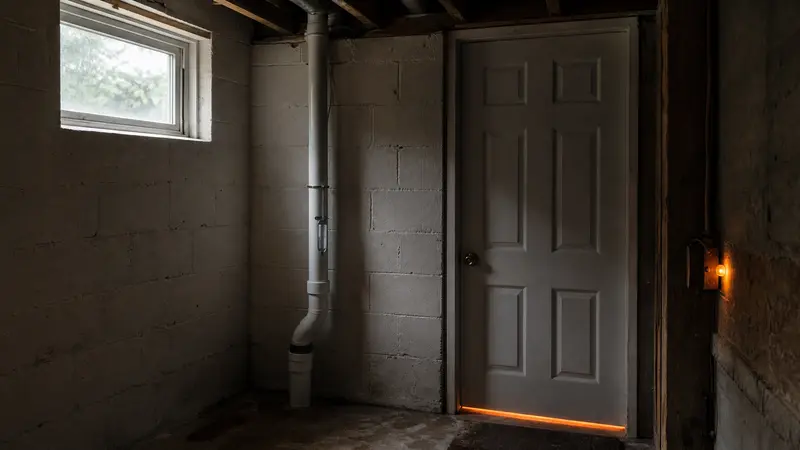
York's housing stock adds to the risk. Many older homes in and around the city have stone or block foundations, dirt-floor crawl spaces and unsealed sump pits. These give soil gas easy ways in. Newer homes are not immune either, because tighter construction can trap radon once it gets inside.
Season matters too. In a York winter the furnace runs, windows stay shut and warm air rising through the house pulls more soil gas up from below. That is why winter tests often read higher, and why a summer result does not clear a house for good.
Why choose us for radon testing
PA DEP certified testing
Pennsylvania only allows DEP-certified testers to measure radon in someone else's home, and that includes home sale tests. Our testing is done under PA DEP certification, with calibrated equipment and documented placement. That means your report holds up when a buyer's agent, a seller's agent or a lender asks how the number was measured. It also means the person in your basement knows the rules for closed-house conditions, device placement and tamper checks.
One team from test to fix
If your test is high, you do not have to start over with a new company. We are DEP-Certified Installers, so the same team that tested your home can design and install a mitigation system. Most installs are completed in one day. After the install, we run a post-install clearance test and back it with a written guarantee: below 4.0 pCi/L on the clearance test, or we keep working at no charge.
Built around your deadline
Home sales in York move on tight inspection windows, so we schedule around your closing date. We are open 24 hours, so you can call any time and get a same-day callback. You get the continuous monitor's hourly data, not just one number, which helps both sides of a deal see that the test ran properly. Every quote for follow-up work is free and written.
Frequently Asked Questions
How much does a radon test cost in York?
Our professional radon test costs $150 to $250, including a continuous monitor and a written report. A store kit is cheaper, often $10 to $40, but gives one number with no hourly data. For the full breakdown of kit, lab and professional pricing, see our guide on radon testing cost.
Is a professional test better than a home kit?
Both can give a valid result if used correctly. A professional continuous monitor adds hourly data, tamper detection and a report from a DEP-certified tester, which most home sales require. For your own first check, a kit works well. Compare both in our guide to a professional radon test vs. home test kit.
How long does a radon test take?
A short-term radon test runs at least 48 hours under closed-house conditions, and many home kits run 2 to 7 days. A long-term test runs more than 90 days. Lab-analyzed kits add mailing and lab time. Learn more about how long a radon test takes from setup to results.
Short-term or long-term test: which do I need?
Choose a short-term test when you need a quick answer, such as during a home sale. Choose a long-term test when you want the truest picture of your average year-round exposure. Many owners start short and follow up long. Our guide to short-term vs. long-term radon tests explains the tradeoffs.
When is the best time of year to test?
You can test any time of year. Winter results often run higher because the house stays sealed and heat pulls soil gas upward, which is one reason January is National Radon Action Month. A summer test still counts. Read more on the best time of year to test for radon.
What do my results mean?
A result of 4.0 pCi/L or higher is at or above the EPA action level, and the EPA recommends fixing the home. Between 2 and 4 pCi/L, the EPA says to consider fixing, since no level is risk-free. Below 2, retest after major home changes. Here is how to read your radon test results.
Where should the test be placed?
Place the test in the lowest lived-in level of the home, at least 20 inches above the floor. Keep it away from drafts, exterior walls, sump pits, kitchens, bathrooms and other humid spots. Placement errors are a common cause of bad results. See where to place a radon test in your home.
Are digital radon monitors accurate?
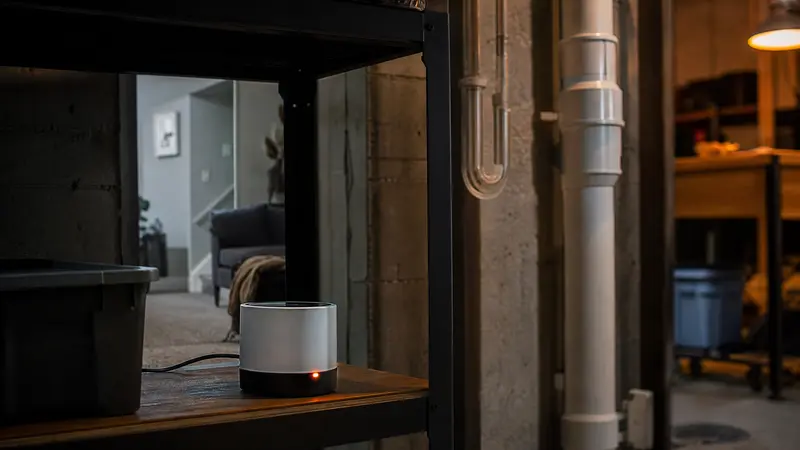
Consumer digital monitors are useful for watching trends, and their readings tend to settle as they average over more days. They are not certified test devices, so they do not count for a home sale or a clearance test. Use a certified test for decisions. Learn more: are digital radon monitors accurate.
Schedule your radon test in York
Find out what is in your air before you make a decision about your home. Call (717) 356-3035 any time for a same-day callback, or request your test online. If the number comes back high, we will give you a free written quote for a fix.